
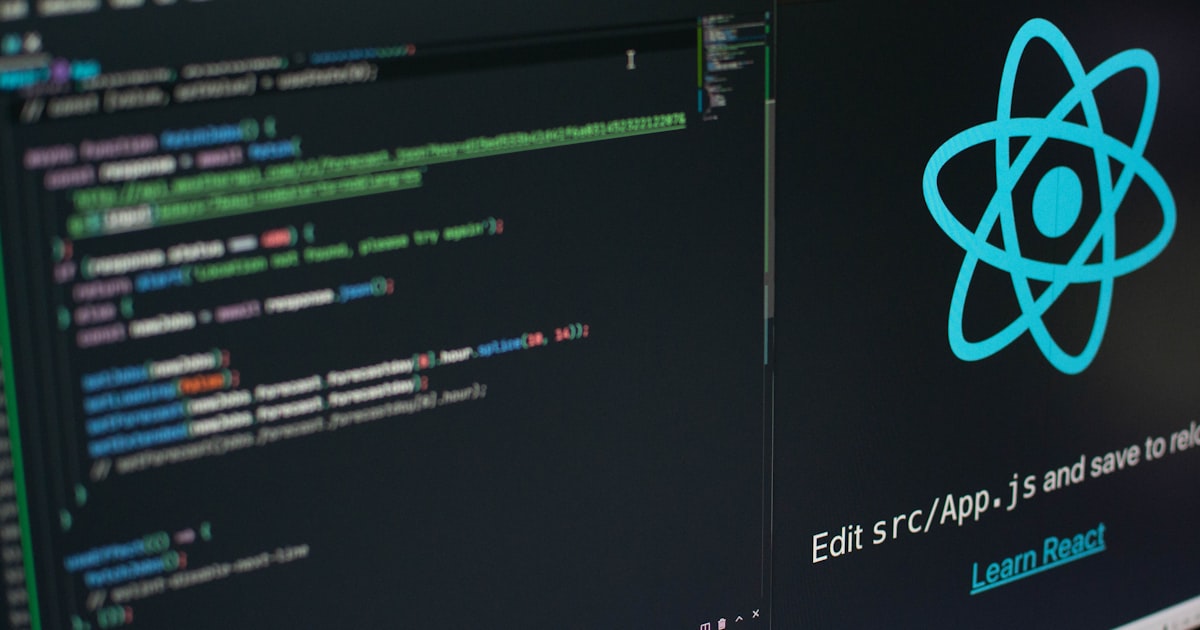
Modern web development is moving away from traditional content management systems (CMS) toward decoupled headless architectures. The Jamstack framework offers improved performance, security, and scalability for business websites.
1. Understanding Headless CMS
A headless CMS (like Strapi, Sanity, or Contentful) acts as a content database, delivering articles via APIs. This separates the backend content editor from the frontend styling templates.
- Frontend Flexibility: Developers can build frontends using React, Vue, or Next.js, pulling content from the headless API.
- Security Benefits: Since the database is decoupled from the public frontend, there are fewer entry points for attackers.
2. The Jamstack Deployment Pipeline
Jamstack stands for JavaScript, APIs, and Markup. Websites are pre-rendered into static HTML files and served via global Content Delivery Networks (CDNs), resulting in fast page loads and reduced hosting costs.
Headless Development FAQs
Q: What is the main difference between WordPress and a Headless CMS?
A: WordPress is a monolithic system where backend content and frontend styling are tied together. A headless CMS serves content solely via APIs, letting developers design the frontend independently.
Q: Is Jamstack suitable for e-commerce sites?
A: Yes. By combining static frontends with payment APIs (like Stripe or Shopify), Jamstack provides fast, secure e-commerce storefronts.
Master modern web stacks. Sign up for our Jamstack developer course at LSPL Academy.